The network for agriculture in Ontario, Canada
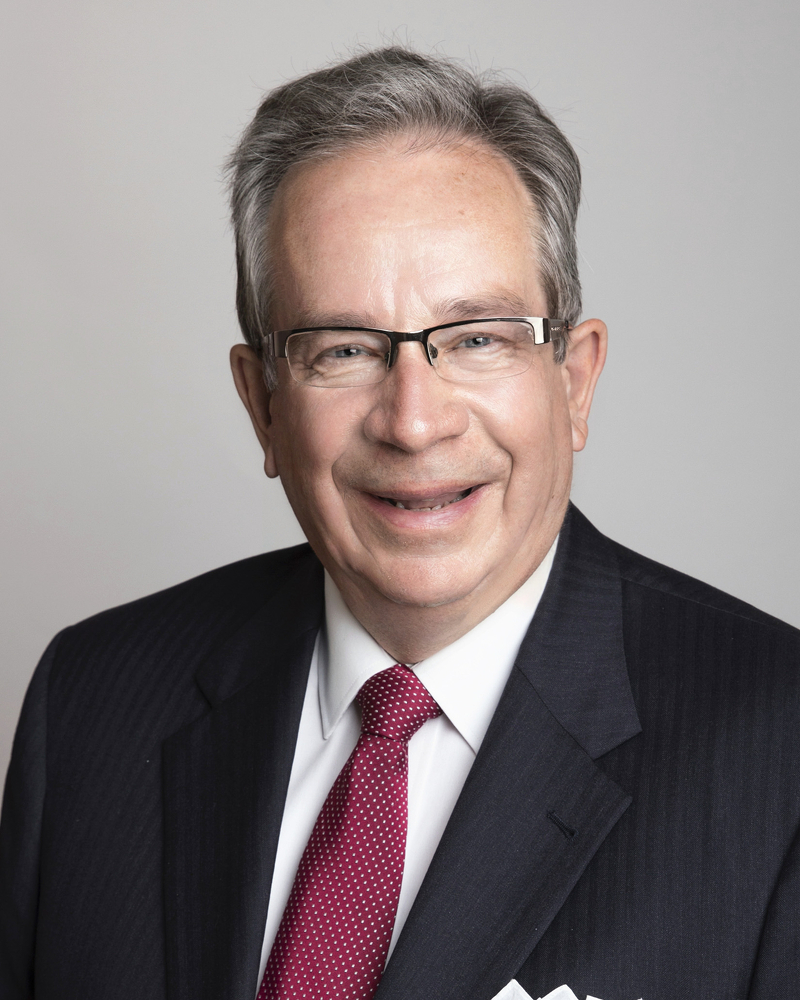
New Ontario Minister of Agriculture, Food & Rural Affairs, Jeff Leal, Who is he and will he be a good Minister of Ag?
Political Career
- Minister of Rural Affairs, February 2013 – May 2014
- Parliamentary Assistant to the Minister of Aboriginal Affairs, October 2007 – February 2010
- Parliamentary Assistant to the Minister of the Environment, September 2006 – September 2007
- Parliamentary Assistant to the Minister of Energy, November 2005 – September 2006
- Parliamentary Assistant to the Minister of Economic Development and Trade, June 2005 – November 2005
- Parliamentary Assistant to the Minister of Training, Colleges and Universities, September 2004 – June 2005
- Second Deputy Mayor, Peterborough
- City Councillor, Peterborough
Education
- B.A. (Honours), Economics and Political Science, Trent University
- Business Administration degree (Honours), University of Windsor
Personal and Family Life
- Married (Karan) with two children, Braden and Shanae
Executive Biography
Jeff Leal was first elected to the Ontario legislature in 2003 as the MPP for Peterborough. He was re-elected in 2007, 2011 and 2014.
Leal was appointed Minister of Agriculture, Food and Rural Affairs in June 2014. He has served as Chief Government Whip, and as Parliamentary Assistant to the Ministers of Aboriginal Affairs, the Environment, Energy, Economic Development and Trade, and Training, Colleges and Universities.
Prior to being elected to the legislature, Leal was a Peterborough city councillor and second deputy mayor. He has worked extensively with the county and local governments, as well as the City of Peterborough.
From the Ontario Government website.
Views: 1184
Replies to This Discussion
-
Permalink Reply by OntAG Admin on
-
@OntAg we can hope. Liberal govt not a good past record.
— Eric Kaiser (@EricKaiser4) June 24, 2014
-
-
OHRIA Welcomes Minister Leal.
OHRIA News
The Ontario Horse Racing Industry Association is pleased with the announcement that Premier Kathleen Wynne has named Jeff Leal as Minister of Agriculture and Food, taking over those duties from Wynne.
The Agriculture portfolio is very important for members of the horse racing industry, and OHRIA looks forward to dealing with Minister Leal in this key position.
As Minister Leal will also be continuing in the position of Minister of Rural Affairs, we know the Minister already has a great insight into the concerns of our members and we are interested in building our relationship further.
"The past two years have seen tremendous changes for our industry, with significant issues that need to be addressed and Minister Leal has already demonstrated through word and action a genuine concern for the horse racing and breeding industry," said Sue Leslie, President and Chair of OHRIA. "We expect the government will be a strong partner in tackling these concerns in the next few months."
Prior to the cancellation of the Slots at Racetracks Program 60,000 people were employed in the horse racing and breeding sectors. The industry continues to employ tens of thousands and plays an important role in the economy of rural Ontario, and OHRIA looks forward to our next meeting with Minister Leal to work together on building a strong partnership with the government.
-
-
OFA committed to working with new provincial cabinet.
OFA NewsGUELPH, ON [June 24, 2014] – In a post-election cabinet shuffle, Premier Kathleen Wynne announced today the re-amalgamation of the agriculture and rural affairs ministries. The cabinet announcement also included changes to other ministry portfolios. The Ontario Federation of Agriculture (OFA) is supportive of all the changes and will continue working closely with the various ministries to address important issues affecting the business of farming in Ontario.
Ontario’s agriculture and food industries are affected by a number of portfolios across multiple ministries. The OFA looks forward to working with new and returning Ministers and policy makers in their areas of legislative responsibility.
The OFA welcomes returning Minister Jeff Leal to his expanded portfolio as Minister of Agriculture, Food and Rural Affairs. As former Minister of Rural Affairs, Leal is familiar with both the rural and agricultural landscape. The OFA will work closely with him to champion agriculture, food and rural issues across other ministries, particularly Economic Development, Employment and Infrastructure.
Led by Minister Brad Duguid, the newly reconstituted Ministry of Economic Development, Employment and Infrastructure will prove to be important to the agriculture and agri-food sector’s plans for economic growth in Ontario. OFA will work with Minister Duguid on the Liberal party’s promise to enable natural gas connections across rural Ontario. Natural gas expansion across our province is a sound investment and will improve the competitiveness of farms and other rural businesses.
Continuing with its focus on food literacy, the OFA will work with the new Minister of Health, Dr. Eric Hoskins, and returning Minister of Education Liz Sandals, to develop a long-term strategy to reintroduce nutrition and food preparation into Ontario’s education system. The OFA also looks forward to working with former Minister of Agriculture, Food and Rural Affairs, Ted McMeekin, in his new role as Minister of Municipal Affairs and Housing. McMeekin will lead the review of the Greenbelt, Oak Ridges and Niagara Escarpment Plans and the OFA will be at the table to ensure farming and food businesses remain sustainable within these land-use designated areas. OFA will work closely with Reza Moridi, the new Minister of Research and Innovation, to continue critical agricultural research into new markets, climate change and enhanced productivity.
The Ontario Federation of Agriculture is the largest general farm organization in Ontario. As a dynamic farmer-led organization based in Guelph, the OFA works to represent and champion the interests of Ontario farmers through government relations, farm policy recommendations, lobby efforts, community representation, media relations and more. OFA is the leading advocate for Ontario’s farmers and is Ontario’s voice of the farmer.
© 2026 Created by Darren Marsland.
Powered by

