On November…
The network for agriculture in Ontario, Canada
OntAG Admin's Blog – December 2014 Archive (6)
Maps: Frequency of in-field corn and soybeans over SW Ontario (2011-14)
Frequency of in-field corn and soybeans over SW Ontario (2011-14). Derived from @AAFC_Canada crop maps by @LeanderCampbell …
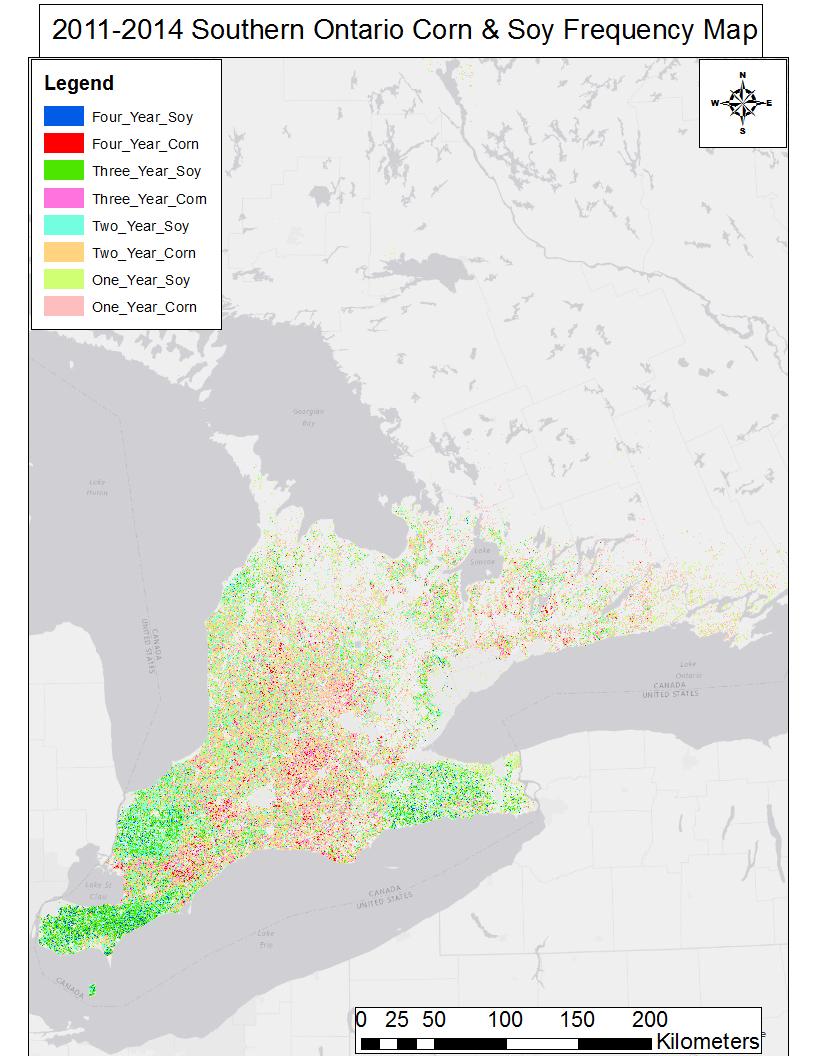
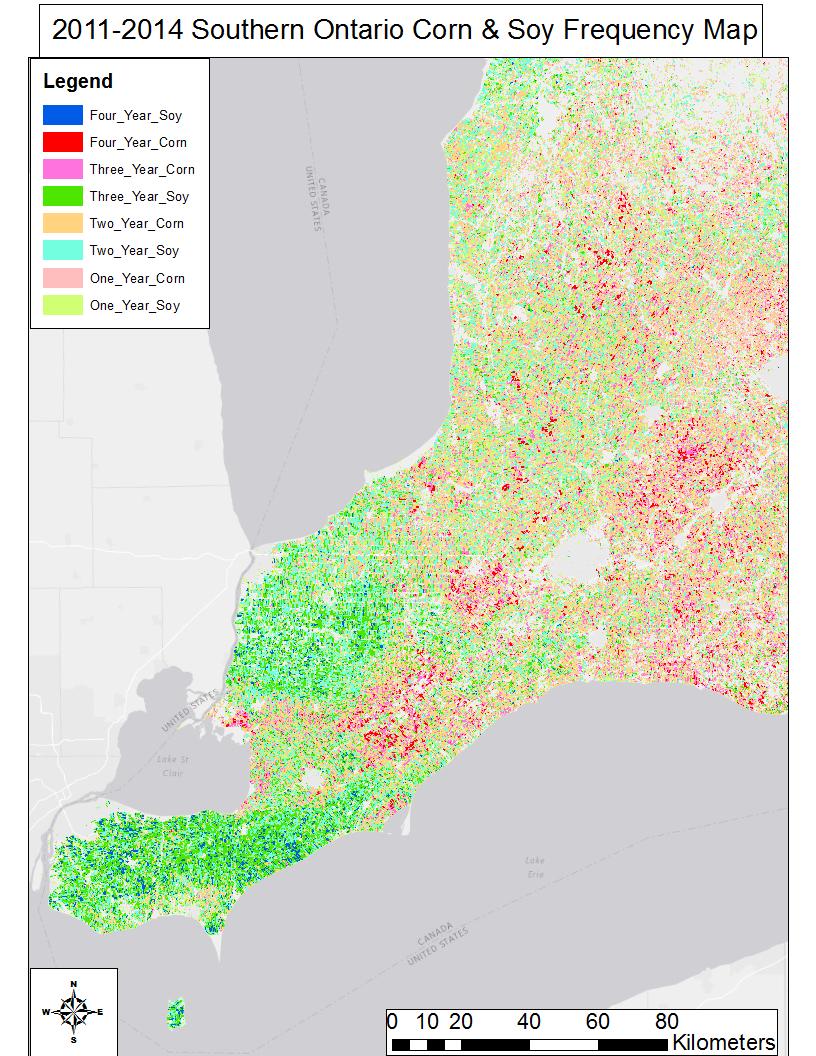
Added by OntAG Admin on December 22, 2014 at 4:37am — No Comments
Maps: Distribution of Soybeans Vs Corn in Southern Ontario. 2013 vs 2014
Just in time for Christmas! A look at the distribution of soybeans (green) vs corn (red) in southern Ontario. 2013 vs 2014 from @LeanderCampbell…
Added by OntAG Admin on December 16, 2014 at 6:00am — No Comments
Video: Advancing Women Conference Is A Terrific Event for Women In Agriculture
Iris Meck, provides information on the exciting programs included in the Advancing Women conferences that will be held in Calgary in Toronto in 2015. For more information visit http://www.advancingwomenconference.ca…
ContinueAdded by OntAG Admin on December 15, 2014 at 1:49pm — No Comments
Video: McCamus Maple Syrup, Cavan Ontario. Terrific video on the farmers making products with love.
MAKE LOVE: McCamus Maple Syrup from MOTIONEER on Vimeo.
Added by OntAG Admin on December 15, 2014 at 6:42am — No Comments
Daynard: Critique of the Ontario Government Document on Bee Health and Use of Neonicotinoid Pesticides
Critique of “A Proposal for Enhancing Pollinator Health and Reducing the Use of Neonicotinoid Pesticides in Ontario” – Discussion Paper by the Government of Ontario
by Terry Daynard @terrydaynard, originally posted on www.tdaynard.com
Continue
Added by OntAG Admin on December 14, 2014 at 11:30am — 2 Comments
Premier Wynne And Toby Barrett, PC Ag Critic Debate Controversial Ontario Neonic Policy At Queens Park. What do you think?
Added by OntAG Admin on December 14, 2014 at 4:06am — No Comments
Latest Blog Posts
- Using UAVs and the Crop Imagery Data they Collect to Improve Crop Yields and Performance
- How to Use Precision Agriculture Data - Veritas Farm Management & Deveron UAS.
- A&L Laboratories Presentation on Soil Health at the Farms.com Precision Ag Conference.
- Farms.com 20 Years Helping Farmers and Agri Business.
- Farm Show Highlights: Action Trailers Walkaround Video
- Corn Report: Tips To Prepare Farm Machinery For Harvest
- Alpine Agronomy Tips: Liquid Fertilizers Can Increase Soybean Yields.
Most Popular Blog Posts
- Photo: Ontario Farm Fields That Have Only Seen Soybeans &/or Corn from 2011 to 2013
- Graph: Corn Yield Response to Soil N and Soil Health - Ridgetown College Study
- Are those Christmas lights in Ontario? Nope it's a map of corn (red) vs soybean (grn) grown in 2013
- Daynard: Critique of the Ontario Government Document on Bee Health and Use of Neonicotinoid Pesticides
- FCC: Where are Farmland Values Heading?
- OFA: Election Priorities - TOP 4 issues that matter to Ontario farmers
- Farm Show at Western Fair in London. March 7-9, Will Be The Largest Ever. Agriculture Technology, Education, Entertainment.
Monthly Archives
2019
- May (3)
2018
- July (1)
2017
- October (2)
2016
2015
- December (1)
- October (1)
- September (2)
- July (2)
- June (2)
- May (3)
- April (8)
- March (4)
- February (1)
- January (5)
2014
- December (6)
- November (13)
- October (14)
- September (10)
- August (5)
- July (10)
- June (7)
- May (4)
- April (5)
- March (9)
- February (11)
- January (5)
2013
- December (3)
- November (2)
- October (5)
- September (3)
- August (5)
- July (2)
- June (3)
- May (4)
- April (2)
- March (5)
- February (3)
- January (1)
2012
- December (3)
- November (2)
- September (4)
- August (6)
- June (5)
- May (6)
- April (1)
- March (3)
- February (6)
- January (3)
2011
- December (5)
- November (1)
- October (3)
- September (2)
- August (1)
- July (2)
- June (3)
- May (2)
- April (3)
- March (2)
- February (5)
- January (3)
2010
- December (4)
- November (1)
- October (3)
- September (2)
- August (1)
- July (1)
- May (3)
- April (1)
- February (2)
- January (2)
2009
© 2026 Created by Darren Marsland.
Powered by

