Ontario Agriculture

The network for agriculture in Ontario, Canada

Photos from 2017 Northumberland Beef Farmers BBQ in Dartford, Ont, 06 July

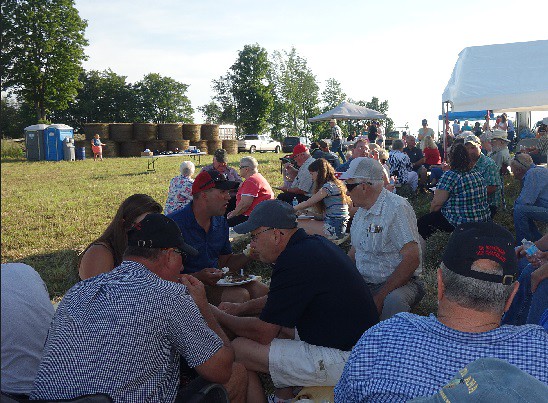
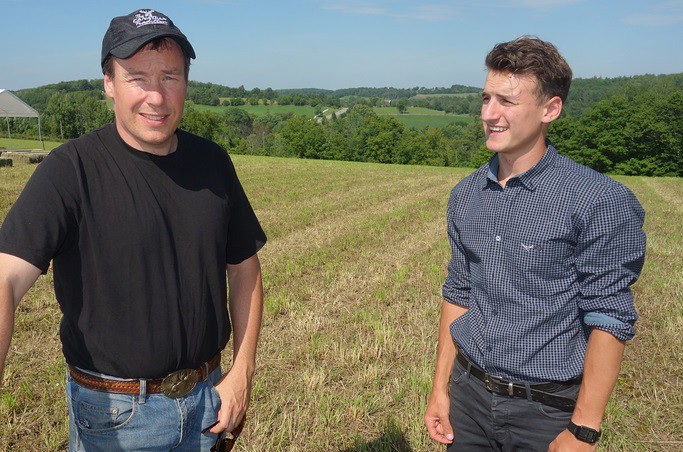
Hey readers and beef farming enthusiasts, here are photos from annual Northumberland Beef Farmers BBQ which was held this year on Ryan Campbell's farm in Dartford, Ontario - 06 July 2017
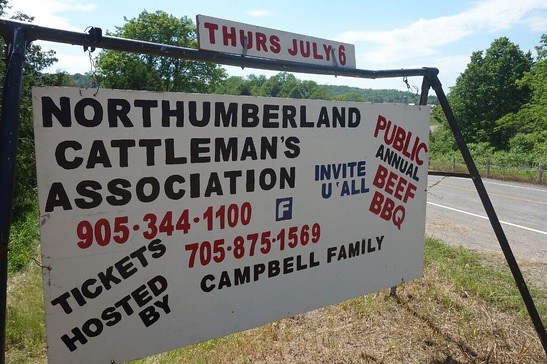
It was a warm Thursday evening - the party started around suppertime,
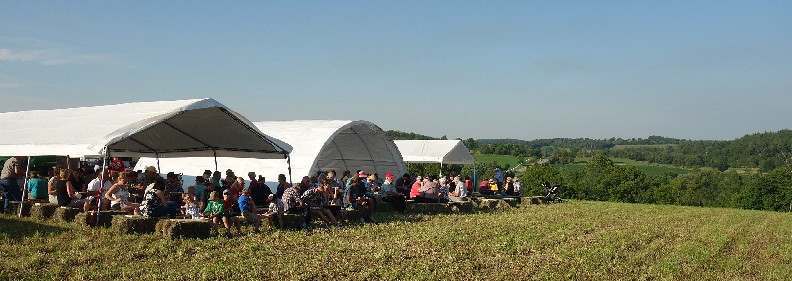
People gathered high on a hilltop , the crest of the same hill that Dartford itself is on the side of ..
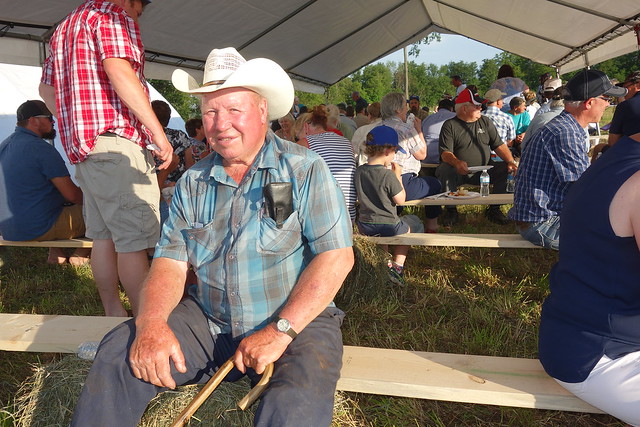
And they gathered to eat beef
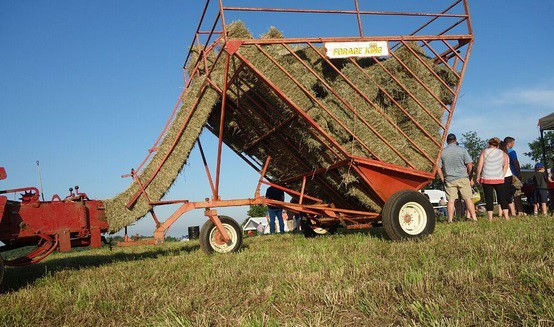
And guess the number of square bales in the wagon... what was the answer?

and chat and catchup on the strange times they find themselves living in
Kent Hodgin Country Music played all the hits from the 50s, 60s, 70s, 80s, 90s, 2000s, and 2010s. They played like champs all evening long...
Ian Davis of Birds-i.ca flew his drone around, maybe i can get his footage if anyone wants to see it.. its likely spectacular ..
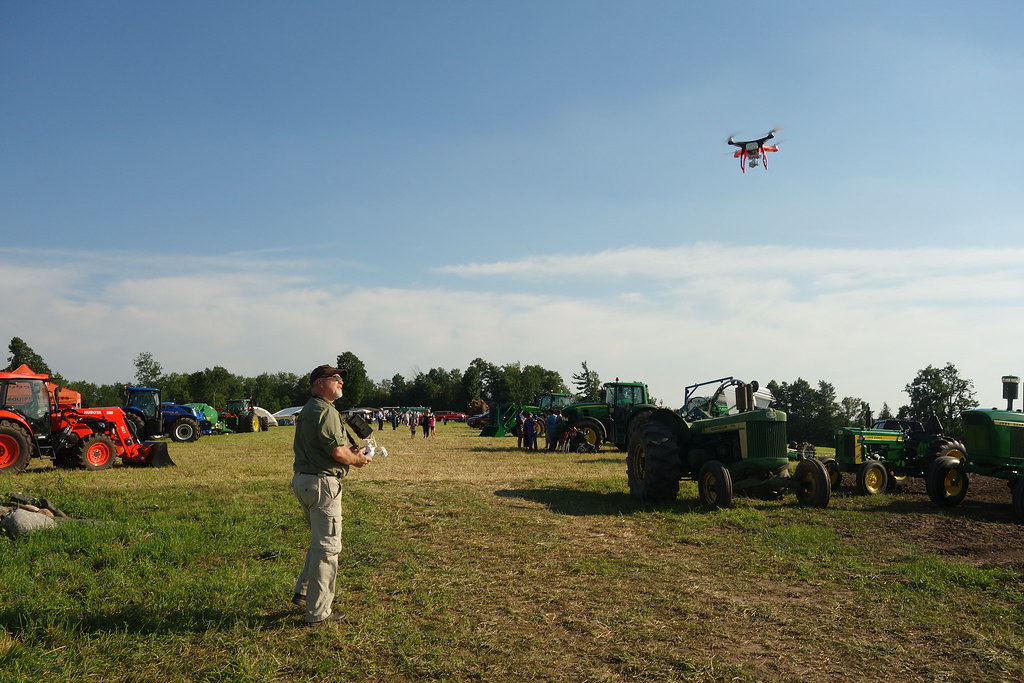
There was also lots of equipment on display
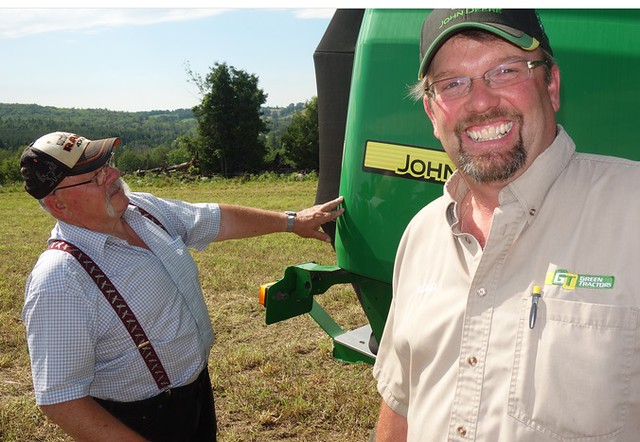
Balage systems

and ... Kubota something
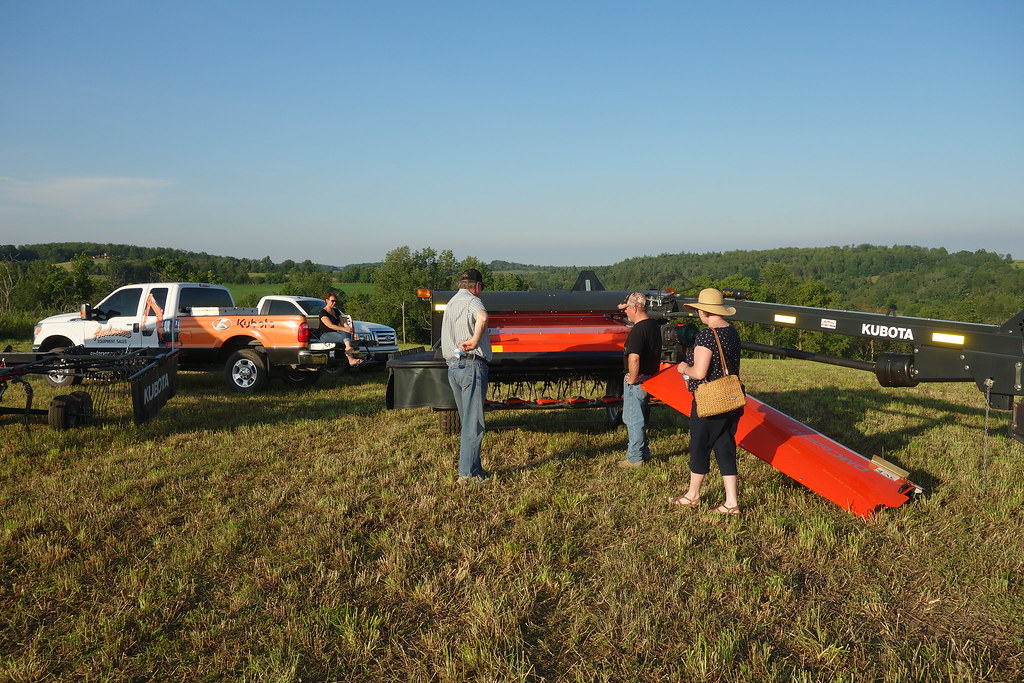
see you next year!

Save

Views: 1307

Reply to This

Replies to This Discussion

Happy to see such activities. Heating and Cooling Markham This is such an amazing article.

Reply to Discussion

RSS

Agriculture Headlines from Farms.com Canada East News - click on title for full story

Fuel Tax Suspension Offers Timely Relief for Canadian Farmers Ahead of Peak Growing Season

The federal fuel tax suspension is expected to lower diesel costs for farmers at a critical time in the growing season, easing pressure on already-tight margins.

Operating farm equipment in Ontario

Operators must be at least 16 years old to drive on public roads

Draft Beef Cattle Code of Practice Released for Public Comment

The National Farm Animal Care Council (NFACC) and Canadian Cattle Association (CCA) are pleased to announce the launch of the public comment period for the draft Code of Practice for the Care and Handling of Beef Cattle. The public comment period allows stakeholders—including producers, consumers, and others with an interest in the welfare of beef cattle—to review the draft Code and provide input that will inform the final version, recognizing that perspectives and experiences across Canada, can differ. The draft Code and the public comment system are now accessible here. All comments must be submitted through the online system to ensure feedback is consistently reviewed. The public comment period will close on June 12, 2026. Following the close of the comment period, the Code Committee will review and consider the submitted feedback, and the final beef cattle Code of Practice will be released in 2027. A Scientific Committee report summarizing research conclusions on welfare-relate

Map: Further Improvement in Prairie Dryness, Drought in March

With the start of widespread spring seeding just around the corner, Prairie moisture conditions are continuing to improve. The latest monthly update of the Canadian drought monitor on Monday showed just 21% of Prairie agricultural lands impacted by abnormal dryness or some form of drought as of the end of March. That’s down sharply from 47% at the end of February and continues a downtrend from last fall, when farmland impacted by dryness or drought hit 71% in November. Most of the Prairies experienced near to above-normal March precipitation in March, with much of region receiving between 85% and 150% of normal, with some localized areas exceeding 200% of normal due to multiple winter storms, the monitor said. However, other areas were not as lucky, including southern Alberta, which saw only about 60% of normal. In Alberta, conditions generally improved, especially across central parts of the province where abnormal dryness and moderate drought receded after widespread precipitat

U.S. Midwest Better Positioned on Fertilizer, but Rising Costs Still Squeeze

Farmers in the American Midwest entered the 2026 planting season somewhat better positioned than peers elsewhere in the U.S. to manage the recent surge in fertilizer costs, but a new survey suggests many are still feeling significant strain as volatility tied to the Middle East conflict ripples through agricultural input markets.   An American Farm Bureau Federation market intel article on Tuesday said the bureau’s Fertilizer Availability Survey - conducted from April 4 to April 11 and drawing responses from more than 5,700 farmers and ranchers - found the Midwest had the highest fertilizer pre-booking rate in the country. About 67% of Midwestern producers reported securing fertilizer earlier in the season, reflecting the region’s heavy reliance on corn and soybean rotations, where nutrient needs are large and purchases are often made well ahead of planting.   That early buying helped shield many Midwest growers from the sharpest recent price increases. Even so, nearly one in three M

© 2026   Created by Darren Marsland.   Powered by

Badges  |  Report an Issue  |  Terms of Service