On November…
The network for agriculture in Ontario, Canada
December 2014 Blog Posts (10)
 Farm clients thanked for supporting OVC teaching programs
A recent Appreciation Day for OVC Ruminant Field Services (OVC-RFS) clients not only offered research updates they can put to use on their farms, it was an opportunity to thank clients for their support of OVC’s teaching programs.
“We want to thank you for your patients and your patience,” said Dr. Todd Duffield, OVC professor and one of the faculty veterinarians with the OVC-RFS, as he welcomed clients to the day.
Student veterinarians gain valuable experience working with the…
ContinueAdded by Ontario Veterinary College on December 22, 2014 at 10:11am — No Comments
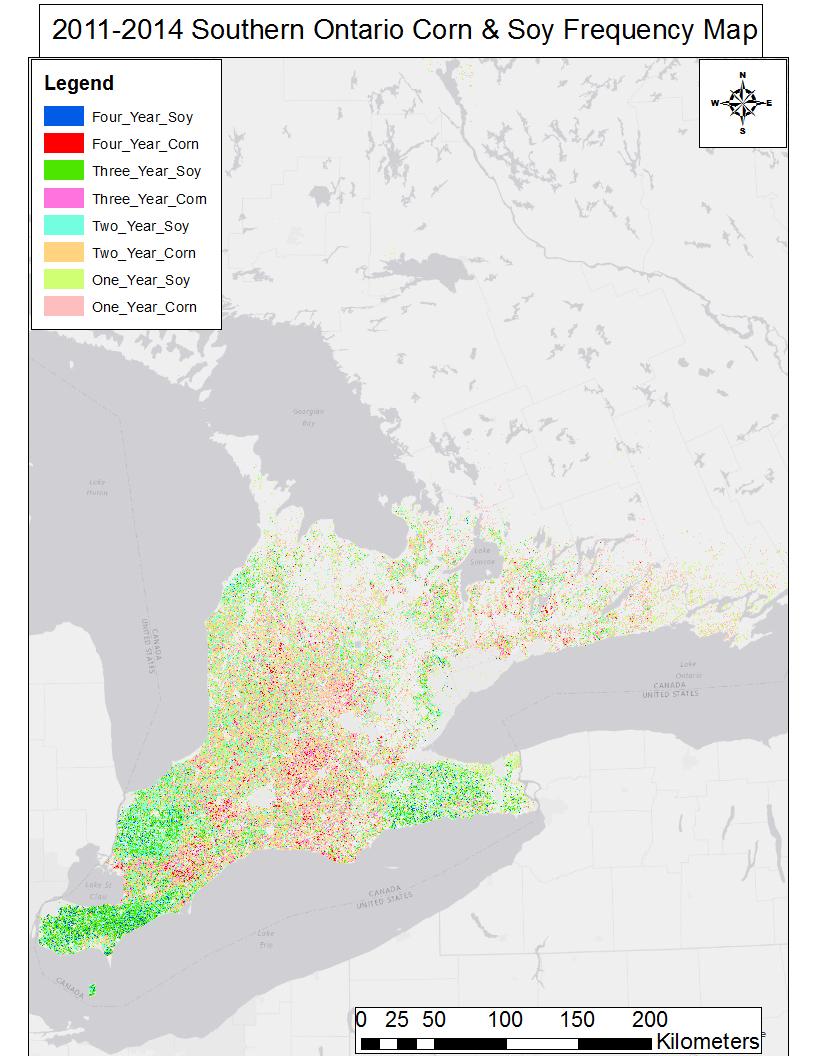
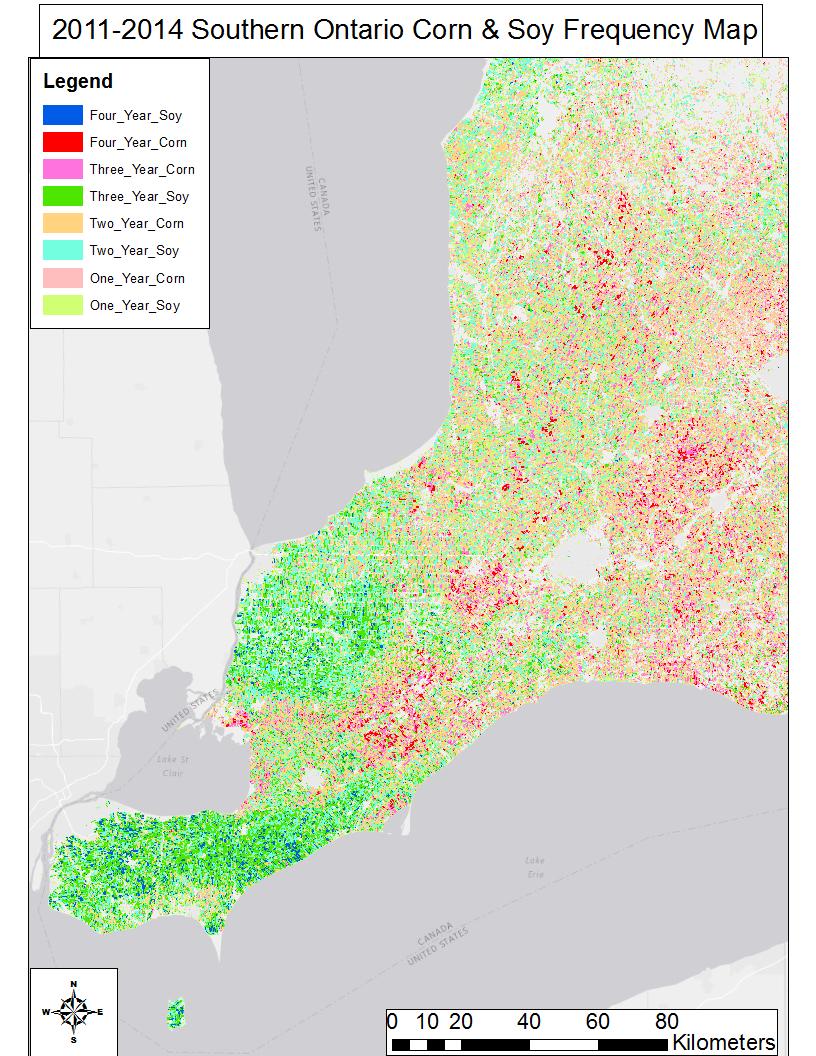
 Maps: Frequency of in-field corn and soybeans over SW Ontario (2011-14)
Frequency of in-field corn and soybeans over SW Ontario (2011-14). Derived from @AAFC_Canada crop maps by @LeanderCampbell …
Added by OntAG Admin on December 22, 2014 at 4:37am — No Comments
Maps: Distribution of Soybeans Vs Corn in Southern Ontario. 2013 vs 2014
Just in time for Christmas! A look at the distribution of soybeans (green) vs corn (red) in southern Ontario. 2013 vs 2014 from @LeanderCampbell…
Added by OntAG Admin on December 16, 2014 at 6:00am — No Comments
Video: Advancing Women Conference Is A Terrific Event for Women In Agriculture
Iris Meck, provides information on the exciting programs included in the Advancing Women conferences that will be held in Calgary in Toronto in 2015. For more information visit http://www.advancingwomenconference.ca…
ContinueAdded by OntAG Admin on December 15, 2014 at 1:49pm — No Comments
Video: McCamus Maple Syrup, Cavan Ontario. Terrific video on the farmers making products with love.
MAKE LOVE: McCamus Maple Syrup from MOTIONEER on Vimeo.
Added by OntAG Admin on December 15, 2014 at 6:42am — No Comments
Daynard: Critique of the Ontario Government Document on Bee Health and Use of Neonicotinoid Pesticides
Critique of “A Proposal for Enhancing Pollinator Health and Reducing the Use of Neonicotinoid Pesticides in Ontario” – Discussion Paper by the Government of Ontario
by Terry Daynard @terrydaynard, originally posted on www.tdaynard.com
Continue
Added by OntAG Admin on December 14, 2014 at 11:30am — 2 Comments
Premier Wynne And Toby Barrett, PC Ag Critic Debate Controversial Ontario Neonic Policy At Queens Park. What do you think?
Added by OntAG Admin on December 14, 2014 at 4:06am — No Comments
 Are you prepared for tragic transition?
Over the past several weeks we have posted three videos featuring interviews that were filmed in the spring 2014 with Wayne Skrypnyk, the founder of Skrypnyk Group. We have shared these videos in order to highlight some important areas that businesses should address in order to achieve high performance.
One key area is that of preparing for transition. In July of 2014, Wayne passed away suddenly. Wayne was a true leader, an inspirational presence and a friend. People such as Wayne are…
ContinueAdded by Kevin Butler on December 10, 2014 at 10:07am — No Comments
OVC professor receives Canadian Animal Health Coalition’s Carl Block Award
An OVC professor and researcher with a distinguished career in animal health and welfare education, small animal ruminant industries and food-animal agriculture, is this year’s recipient of the Canadian Animal Health Coalition (CAHC) Carl Block Award.
Dr. Paula Menzies was presented the award at the Canadian Animal Health Coalition’s annual Appreciation Reception in…
Added by Ontario Veterinary College on December 5, 2014 at 6:09am — No Comments
Chris Koch featured on the Oprah Network is coming to Ontario!
Chris Koch, from ifican.ca, is coming to Ontario in December. For those of you that don't know Chris, he was featured on Oprah's network. You can view his video here.
Chris was born and raised in the small farming and ranching community of Nanton, Alberta. When he's not out in the…
ContinueAdded by Genevieve Cavanagh on December 2, 2014 at 7:36am — No Comments
- ❮ First
- Next ❯
Featured Blog Posts
- When things don’t go according to plan
- The trip begins
- "GOOD MORNING VIETNAM!!!!!"
- Why do we not STRIP TILL every acre of corn?
- Farm clients important part of OVC teaching programs
- Ontario Premier Kathleen Wynne Addresses Advancing Women In Agriculture Conference in Toronto.
- Oxford Agricultural Awards of Excellence (best time of the year)
Latest Blog Posts
- Visiting a citrus cooperative
- Picking strawberries in January
- Exploring traditional and modern agriculture in Spain
- Ag and city tours make up our first few days in Spain
- AALP Class 17 leaves for Spain
- Using UAVs and the Crop Imagery Data they Collect to Improve Crop Yields and Performance
- How to Use Precision Agriculture Data - Veritas Farm Management & Deveron UAS.
Most Popular Blog Posts
Monthly Archives
2020
- January (5)
2019
- May (3)
2018
2017
2016
- December (4)
- November (1)
- October (9)
- August (5)
- July (13)
- June (3)
- May (2)
- April (3)
- March (2)
- February (2)
- January (3)
2015
- December (1)
- November (1)
- October (3)
- September (3)
- August (2)
- July (7)
- June (7)
- May (7)
- April (8)
- March (14)
- February (25)
- January (7)
2014
- December (10)
- November (18)
- October (21)
- September (10)
- August (8)
- July (31)
- June (21)
- May (10)
- April (6)
- March (16)
- February (12)
- January (11)
2013
- December (3)
- November (5)
- October (5)
- September (4)
- August (6)
- July (11)
- June (6)
- May (5)
- April (16)
- March (22)
- February (23)
- January (14)
2012
- December (18)
- November (6)
- October (8)
- September (12)
- August (9)
- July (27)
- June (12)
- May (19)
- April (8)
- March (14)
- February (13)
- January (15)
2011
- December (15)
- November (7)
- October (9)
- September (10)
- August (6)
- July (8)
- June (7)
- May (10)
- April (8)
- March (11)
- February (13)
- January (7)
2010
- December (10)
- November (7)
- October (11)
- September (11)
- August (4)
- July (16)
- June (4)
- May (10)
- April (4)
- March (6)
- February (6)
- January (7)
2009
© 2026 Created by Darren Marsland.
Powered by

