The network for agriculture in Ontario, Canada
May 2012 Blog Posts (15)
 AALP Class 14 North American Study Tour
Each class of the Advanced Agricultural Leadership Program (AALP) includes two study tours as part of the curriculum – one in North America, and one involving international travel. These study tours give participants the opportunity to gain an even broader perspective and understanding of regional/national/ international issues and their interrelationships.
ContinueAdded by AALP on May 31, 2012 at 9:09am — No Comments
 Barley Yellow Dwarf Virus Starting to Show
OMAFRA - http://www.omafra.gov.on.ca/english/crops/field/news/croppest/2012/02cpo12a4.htm#.T8Y_cJB-xXQ.twitter - The number of calls concerning barley yellow dwarf and other viruses have been increasing as the wheat crop develops. The following table compares the most common viruses which affect wheat in the…
Added by OntAG Admin on May 30, 2012 at 10:11am — No Comments
 Corn Conditions Around Ontario - Photos from May 30th
 Nathan Saarloos…
Added by AgOntario on May 30, 2012 at 9:30am — 2 Comments
 Farm work is never done
It is starting out to be an exciting season. The weather has been cooperating with my work schedule and so far my decisions have resulted in planting success. The warm weather has brought Soybeans out of the ground after about a week. Most of my Soys are planted on land that was plowed last year, and this ground is holding moisture very well. I had to work the ground…
Added by Gus Ternoey on May 25, 2012 at 8:36am — 1 Comment
 Cheryl Trueman - Tackling Bacterial Spot and Speck
Added by SPARK*Air on May 25, 2012 at 1:30am — No Comments
 The CFFO Commentary: The Canada Brand gets extended to the Domestic Market
By Nathan Stevens
May 25, 2012
Proponents of Canadian food for Canadians got a boost last week as the Federal Government announced that the Canada Brand has been expanded to include a domestic component. This is a positive step forward in market-oriented ways to enhance farmer’s opportunities both domestically and abroad.
The Canada Brand has been in existence for a number of years promoting the…
Added by CFFO Blog on May 25, 2012 at 1:26am — No Comments
The CFFO Commentary: The CFFO’s thoughts on the Aggregate Resources Act Review
By Nathan Stevens
May 18, 2012
The provincial government is conducting a review of the Aggregate Resources Act. This is an important piece of legislation for the agriculture sector due to competition for land within the rural countryside. The Christian Farmers submitted comments reflecting the long-term balance needed between aggregates and farmland.
In the big picture, the CFFO recognizes that aggregate…
Added by CFFO Blog on May 18, 2012 at 2:57am — No Comments
Tales from the Dragon's Den - Farm Credit Canada Video
Robert Herjavec shares how the ability to recognize opportunity and a sense of ``humble arrogance`` have contributed to his success.
Added by OntAG Admin on May 17, 2012 at 10:50am — No Comments
OMAFRA CropPest Newsletter - May 14th, 2012
Added by OntAG Admin on May 16, 2012 at 7:30am — No Comments
Corn Planting 2012 Finished - Enjoy the video!
Jake's video from YouTube.
Added by OntAG Admin on May 16, 2012 at 5:42am — 1 Comment
 Black Bears Strike But Are Repelled By Electric Fences In Ontario Beeyards
Some black bears did launch an attack on of our remote beeyards last week!
This is what bear damage looks like, and it could have been a lot worse. The total loss was only four frames of brood. And that's because this beeyard, like all of our locations in southern Ontario, is protected by a heavy duty solar fencer.
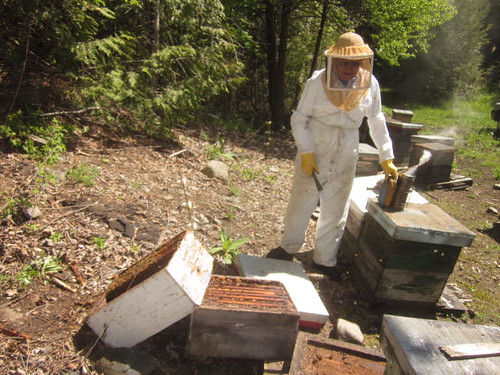
Its unlikely the hive blew over in the wind - in the…
ContinueAdded by Robert Campbell on May 13, 2012 at 1:49pm — 1 Comment
Black Cutworm Fact Sheet from OMAFRA
An unseasonably early tornado season in the U.S. Midwest has blown a potentially big black cutworm problem to southern Ontario farms.

Scientific Name
Agrotis ipsilon
Identification
- Black cutworm larvae are greyish-black with a paler…
Added by OntAG Admin on May 11, 2012 at 6:25am — No Comments
The CFFO Commentary: Canadian Agricultural Trade Policy from a Practical Perspective
By Nathan Stevens
May 11, 2012
Canadian trade policy is one of the more controversial issues that Ontario farmers live with every day. There are segments of Ontario agriculture that would benefit from more open trade and segments that would not reap the same rewards. A recent trade policy session held by the George Morris Centre brought in several experts on the intricacies of international trade deals and the challenges and…
Added by CFFO Blog on May 11, 2012 at 2:39am — No Comments
The Missing Scrapie Related, 41 Shropsire Sheep Must Be Found For the Good Of The Industry.
The Ontario Sheep Marketing Agency, Ontario Goat, along with the Canadian Sheep Federation, Canadian Sheep Breeders Association and the Canadian Livestock Genetics Association, would like to express their collective concern over the 41 missing Shropshire sheep.
On April 2, 2012, the Canadian Food Inspection Agency notified the public of a breach of quarantine in relation to scrapie control measures taking place in Trent Hills, Ontario. 41 sheep belonging to Montana Jones were slated…
ContinueAdded by OntAG Admin on May 5, 2012 at 4:42am — 1 Comment
Corn is in the ground!
My corn is planted and on its way up! It was none too warm on the weekend while I sat on my open air tractor planting two fields of corn. The cold rain on Monday gave me a bit to worry about, daytime highs of 13C are not particularly desirable, but the heat has shown up and the corn seed has noticed. Only5 days in the ground and I have an up shoot. The forecast has some reasonable temperatures called for, so I hope to see it out of the ground by the end of next week.
I have been…
ContinueAdded by Gus Ternoey on May 3, 2012 at 1:32pm — 1 Comment
- ❮ First
- Next ❯
Featured Blog Posts
- When things don’t go according to plan
- The trip begins
- "GOOD MORNING VIETNAM!!!!!"
- Why do we not STRIP TILL every acre of corn?
- Farm clients important part of OVC teaching programs
- Ontario Premier Kathleen Wynne Addresses Advancing Women In Agriculture Conference in Toronto.
- Oxford Agricultural Awards of Excellence (best time of the year)
Latest Blog Posts
- Visiting a citrus cooperative
- Picking strawberries in January
- Exploring traditional and modern agriculture in Spain
- Ag and city tours make up our first few days in Spain
- AALP Class 17 leaves for Spain
- Using UAVs and the Crop Imagery Data they Collect to Improve Crop Yields and Performance
- How to Use Precision Agriculture Data - Veritas Farm Management & Deveron UAS.
Most Popular Blog Posts
Monthly Archives
2020
- January (5)
2019
- May (3)
2018
2017
2016
- December (4)
- November (1)
- October (9)
- August (5)
- July (13)
- June (3)
- May (2)
- April (3)
- March (2)
- February (2)
- January (3)
2015
- December (1)
- November (1)
- October (3)
- September (3)
- August (2)
- July (7)
- June (7)
- May (7)
- April (8)
- March (14)
- February (25)
- January (7)
2014
- December (10)
- November (18)
- October (21)
- September (10)
- August (8)
- July (31)
- June (21)
- May (10)
- April (6)
- March (16)
- February (12)
- January (11)
2013
- December (3)
- November (5)
- October (5)
- September (4)
- August (6)
- July (11)
- June (6)
- May (5)
- April (16)
- March (22)
- February (23)
- January (14)
2012
- December (18)
- November (6)
- October (8)
- September (12)
- August (9)
- July (27)
- June (12)
- May (19)
- April (8)
- March (14)
- February (13)
- January (15)
2011
- December (15)
- November (7)
- October (9)
- September (10)
- August (6)
- July (8)
- June (7)
- May (10)
- April (8)
- March (11)
- February (13)
- January (7)
2010
- December (10)
- November (7)
- October (11)
- September (11)
- August (4)
- July (16)
- June (4)
- May (10)
- April (4)
- March (6)
- February (6)
- January (7)
2009
© 2026 Created by Darren Marsland.
Powered by

